What is salajeet (shilajit)?
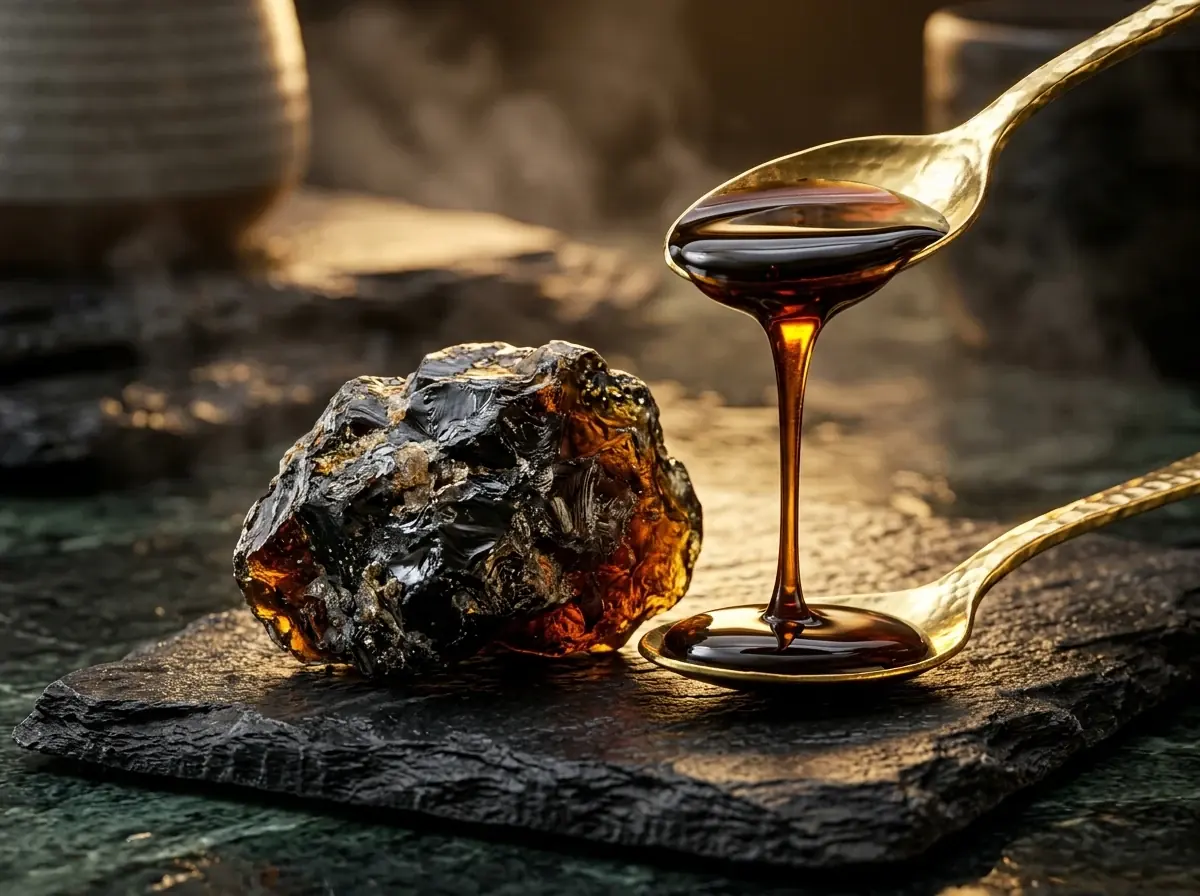
Salajeet is a sticky, blackish-brown resin that forms over centuries as plant matter breaks down between mountain rocks. In summer heat it oozes out of rock cracks in the Himalaya, Karakoram and Hindu Kush, including Gilgit-Baltistan and Chitral. It is rich in fulvic acid and minerals, which is why traditional medicine treats it as a mineral tonic rather than a herb.
Raw salajeet is never used directly. It is dissolved in water, filtered, and slowly dried in a process called purification (tasfiya). Purified salajeet is what goes into capsules, resin jars and majoon.
Salajeet ke fayde: traditional uses in Unani tibb
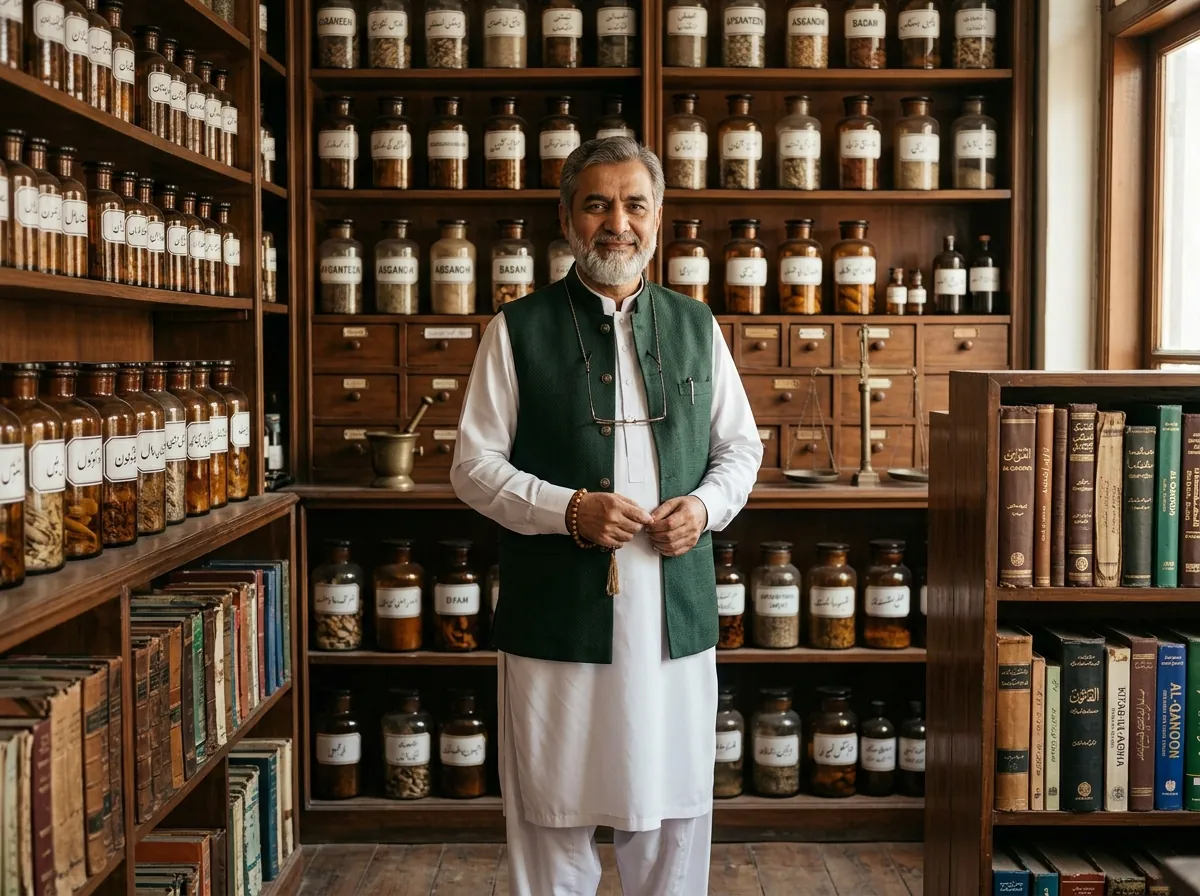
Classical Unani and Ayurvedic texts describe salajeet as a muqawwi (strengthening) substance. Hakeems traditionally use it to:
- support general strength and stamina, especially in weakness after illness
- support men's vitality and reproductive health
- support the kidneys and bladder in traditional formulas
- support joints and recovery in older age
These are traditional uses. They describe how salajeet has been used for centuries, not proven medical effects.
What does research say about shilajit?
Research on shilajit is still limited, and most studies are small. Two findings are cited most often:
- Testosterone: in a 90-day placebo-controlled study of healthy men aged 45 to 55, purified shilajit was associated with higher total testosterone levels compared with placebo.
- Sperm quality: a small study in men with low sperm count reported improvements in sperm count and motility after 90 days of processed shilajit.
Both studies were small and used specific purified extracts, so results cannot be assumed for every product sold in the market. Larger independent trials are still needed.
How to identify original salajeet (asli salajeet ki pehchan)
Fake and adulterated salajeet is common in Pakistani markets. Sellers mix it with tar, gum, charcoal or molasses. These home checks help you spot obvious fakes:
| Check | Original purified salajeet | Warning sign |
|---|---|---|
| Warm water | Dissolves completely within a few minutes into a golden-brown liquid, with little or no residue | Leaves grit, oily film or does not dissolve |
| Temperature | Hard and brittle when cold, softens and becomes sticky with the warmth of your hand | Stays the same whether warm or cold |
| Smell and taste | Smoky, earthy and bitter | Sweet, chemical or no smell |
| Flame | Bubbles and chars but does not catch fire and burn | Burns with a flame like tar or plastic |
| Price | Reflects slow purification and limited supply | Very cheap salajeet is almost always adulterated |
Home checks only rule out crude fakes. The only way to confirm purity and safety is laboratory testing for heavy metals and contaminants, so buy from a seller who can explain where the salajeet comes from and how it is purified.
How is salajeet taken?
In Unani practice, purified salajeet resin is usually taken in a very small amount, roughly the size of a grain of rice to a chickpea, dissolved in warm milk or water. It is also taken as capsules or as an ingredient in a majoon. Always follow the amount on the product label or the advice of a qualified hakeem, and start with the smallest amount.
Salajeet side effects and who should avoid it
- Raw or unpurified salajeet can contain heavy metals and fungal contamination. Only use properly purified products.
- Pregnancy and breastfeeding: avoid, as safety has not been studied.
- Gout or high uric acid, kidney stones, and iron overload conditions: consult a doctor first.
- Diabetes and blood pressure medication: speak to your doctor, because salajeet may affect blood sugar.
- Stop use if you notice rash, dizziness, palpitations or stomach upset.
Salajeet is a traditional tonic, not a treatment for any disease. If you have a medical condition or take regular medicines, consult a doctor or registered hakeem before use.